
The Traveller that Only Talks to Birds
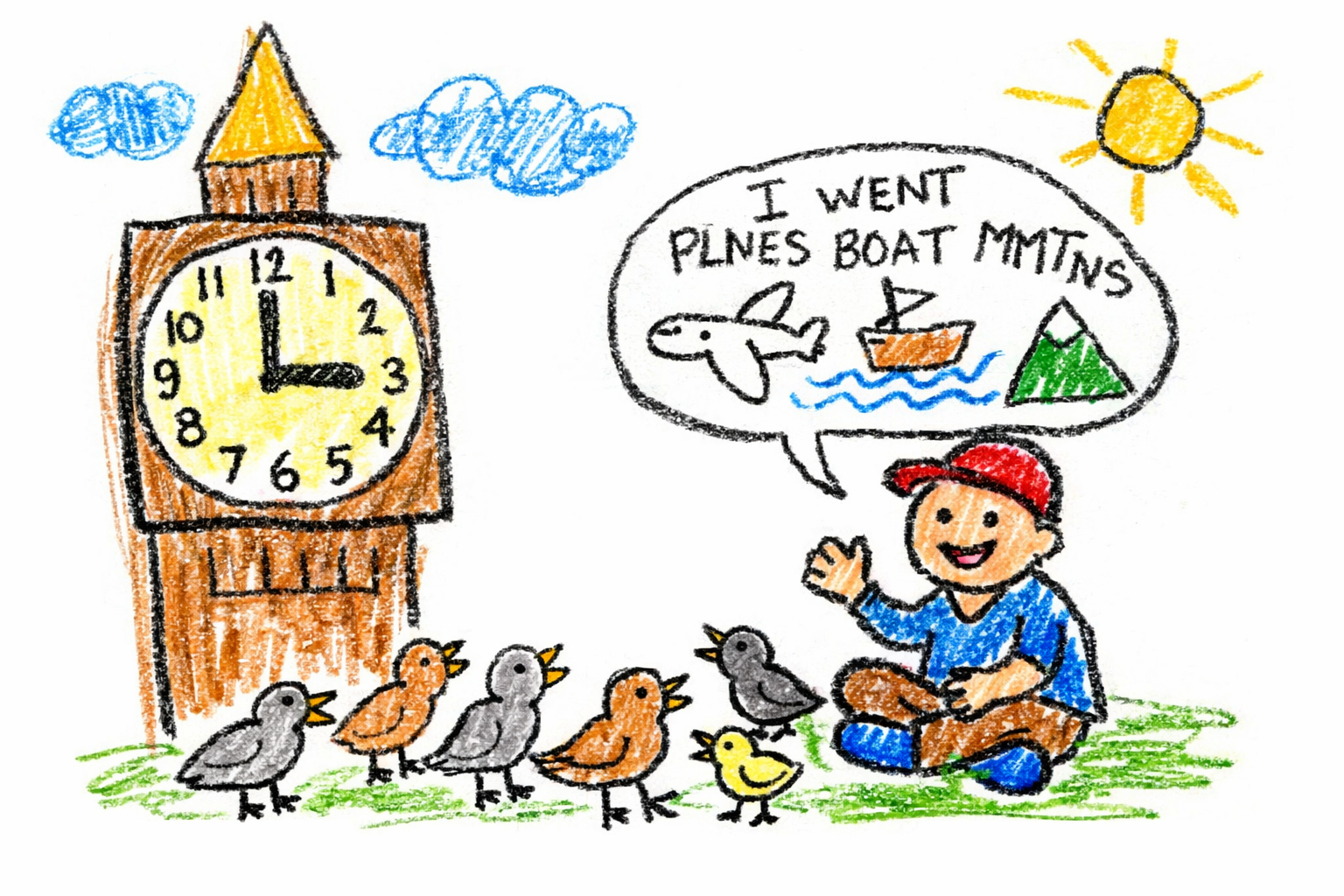
He wakes before the city remembers its own name.
Before alarms, before engines, before the first lie of the day is told, he’s already upright—boots on, jacket zipped, moving quietly through whatever borrowed room he slept in. Hostels in Lisbon. A friend’s couch in Nairobi. A windowless rental in Marseille that smelled faintly of old wine and bleach. The places blur together. What doesn’t blur are the birds.
They’re always there, waiting like old bartenders who never ask for ID.
Pigeons on ledges, sparrows in gutters, crows perched like judges on power lines. He talks to them the way some men talk to God—casually, without ceremony, not expecting answers but comforted by the act. He tells them where he’s been. What went wrong. What almost worked. The birds don’t interrupt. They don’t correct him. They don’t need him to be better than he is.
In Rome, he sits on a stone step still warm from yesterday’s sun and tells a one-legged pigeon about a woman he loved too late. In Istanbul, he shares stale bread with gulls and confesses how tired he is of starting over. In Kigali, the birds wake with him, sharp and alive, and he laughs out loud, telling them this city has a rhythm that makes even loneliness feel intentional.
He’s a nomad, but not the Instagram kind. No sunsets framed for approval. No captions about freedom. His freedom is quieter. It lives in walking until his feet hurt, in eating whatever’s cheapest, in never having to explain why he’s leaving again. He carries his stories like loose change in his pockets—small, heavy, always clinking together.
There are a lot of them.
Stories about border crossings at 3 a.m. Stories about jobs taken and abandoned. Stories about violence witnessed but never fully understood. Stories about kindness so sudden it still confuses him. He tells all of them to the birds because humans tend to ask questions that demand clean answers. Birds just tilt their heads and listen.
By the time the city wakes—by the time cafés open, and traffic snarls, and people start performing their lives—he’s already miles deep into the day. He’s walked markets before they fill. He’s watched shopkeepers pray, curse, and unlock their doors. He’s seen the real face of a place, unpowdered and honest.
Sometimes people notice him, muttering to the air, nodding at rooftops. They assume he’s lonely. Or mad. Or harmless in that way that makes them uncomfortable.
They’re wrong.
He’s full. Full of cities, of mornings, of conversations that don’t need to be remembered by anyone else to be real. The birds carry his words off in their throats and wings, scattering them across skylines, dropping them into places he’ll never return to.
And when he leaves—as he always does—there’s no farewell. Just the sound of wings lifting into the thinning dark, and a man walking on, lighter somehow, with one less story weighing him down.
Only the birds know how many he’s told.
