
The Art World is Small on Purpose
The contemporary art world is known to be huge, expensive, global, and in many ways, exclusive— it works in a deliberately designed constrained ecosystem. Scarcity of access, visibility, and validation are not the flaws, it is simply the business model.
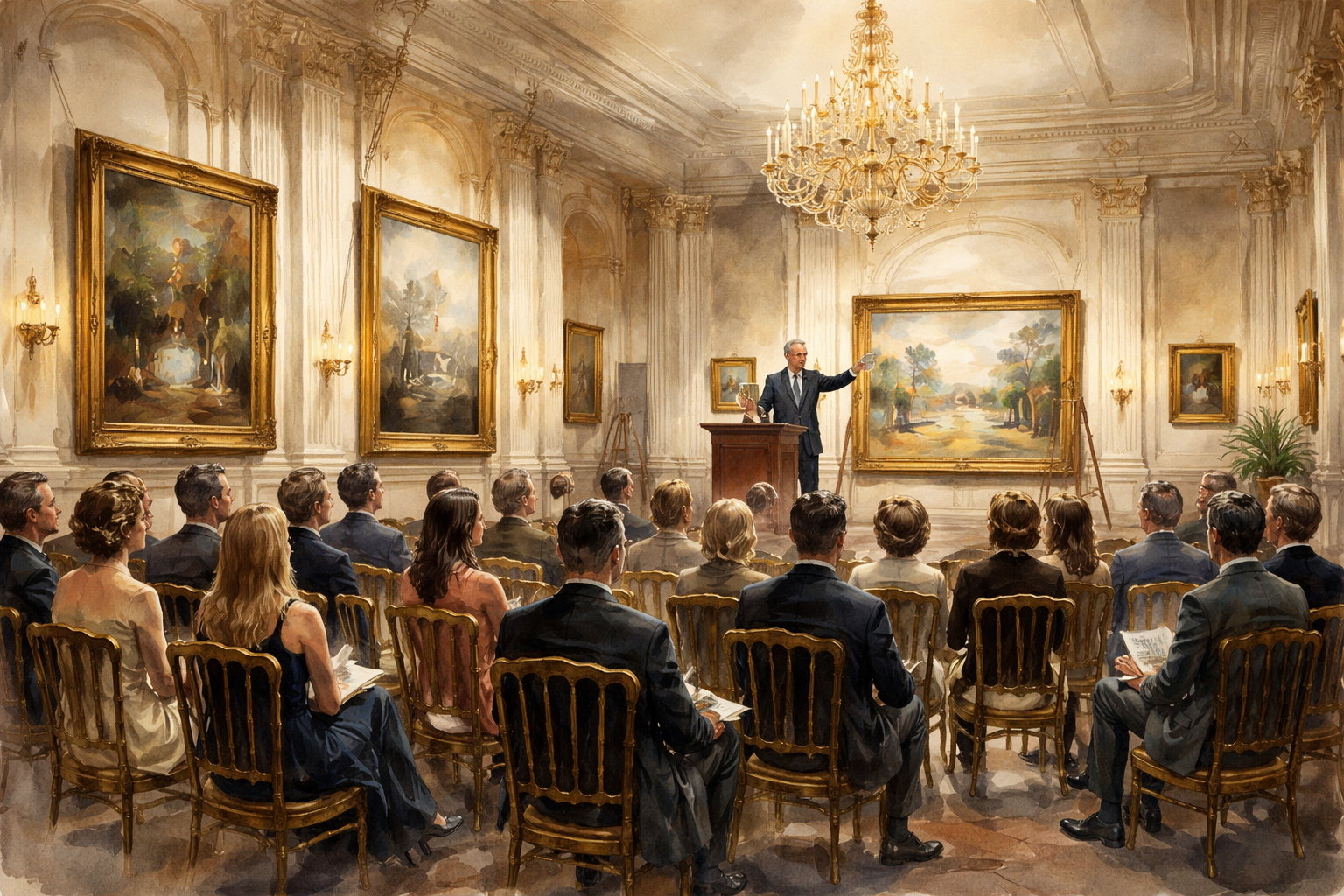
For as long as I’ve been paying attention, and with a little bit of research, the art world feels small. Not intimate—small. The same galleries, the same auction houses, the same curators and critics circulating year after year like a traveling dj party nobody ever leaves early. If you’re an emerging artist, you learn this fast. Relevance doesn’t just come from the work. It comes from network. Who do you know? Who are you around? Who sees you? Who says your name when you’re not in the room?
There’s a quiet understanding that a relatively small group of people has an oversized influence over how an artist’s career goes—or whether it goes anywhere at all. They don’t need to conspire. They don’t need secret meetings. The system works because everyone knows how it works. Galleries validate artists for museums, museums legitimize them for collectors, collectors stabilize them for the market. Once you’re inside that loop, things move quickly. If you’re not, you wouldn’t even know what is actually going on.
People like to call the art world global, but that’s mostly geography. Fly far enough and you’ll still see the same faces. The same curators turning up at biennials. The same galleries hosting art fairs. The same collectors sitting on museum boards and acquisition committees. It’s efficient. It’s risk-averse. And it’s very good at protecting itself.
Getting close to that world costs money and time—usually more of both than people are willing to admit. Unpaid internships. Low-paid jobs justified by “exposure” or “experience.” Years spent living in expensive cities with no guarantee anything will come of it. Over time, this filters people out. Not always the untalented—but often the underfunded, the impatient, the unwilling to wait for permission.
Despite what some people want to believe, this consolidation isn’t completely religion or belief systems. The contemporary art market isn’t driven by faith—it’s driven by class, greed, money laundering, access, and shared taste. It’s deeply secular, deeply cosmopolitan, and deeply comfortable with itself. What matters isn’t what you believe, but whether you speak the language, understand the etiquette, and know how not to rock the boat too hard.
And yet—here’s the part that keeps me interested—I do think something is changing.
Artists don’t have to live in the same cities anymore. They don’t have to wait for a gallery to make them ‘ready’. They can build audiences slowly, honestly, and directly. What stands out now isn’t scale so much as commitment. Small communities, real ones, formed around the work instead of around the market.
The idea of the “underground” artist feels outdated too. Underground compared to what? A fair booth? A press release? With the tools available now, an artist can start something on their own terms, grow a following that actually cares, and make work that lands where it’s supposed to—without asking anyone’s permission first.
None of this means the old art world is dead. It’s not. It still matters. It still has power. But it’s no longer the only table in the room. And once you see how deliberately small that table has always been, it gets easier to decide whether you want a seat—or whether you’d rather eat somewhere else entirely.
